
Categories: AI Agent, AI Documents Generator, AI For Data Analytics, AI For Finance, AI Productivity Tools, AI Report Generator, AI Workflow
Layerup Review: Is This AI the Future for Insurance Brokers?

If you’re an insurance broker, you probably didn’t get into this business because you had a burning passion for data entry. You got into it to help people, to build relationships, to close deals, and to grow a business. But what happens? The paperwork monster eats you alive. You spend half your day wrestling with PDFs, copying information from one system to another, and chasing down administrative loose ends. It’s a grind.
I’ve been in the SEO and digital trends space for years, and I’ve seen a parade of tools promising to be the next “game-changer.” Most of them are just shiny objects that fade away. So when I hear about a new generative AI platform built specifically for insurance brokers, my ears perk up. But my skepticism meter also starts ticking. The platform in question is called Layerup, and it makes a pretty bold claim: that it can 5x your productivity.
Five times? That’s a huge number. But after looking into what they’re doing, it might not be as crazy as it sounds. Let’s get into it.
So, What is Layerup, Really?
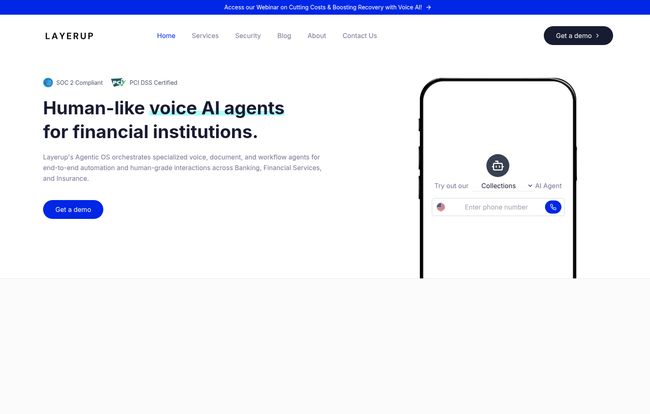
At its core, Layerup is a generative AI platform designed to be a broker’s best friend. Think of it less as a piece of software you have to learn and more like a new, hyper-efficient team member you just hired. Its main job is to take over the repetitive, soul-crushing tasks that clog up your day so you can focus on, you know, being a broker.
This isn’t just about simple automation. We’re talking about an AI that understands insurance documents, extracts the important bits, and intelligently populates your systems. It’s designed to eliminate the need for manual data entry, which, let’s face it, is probably the biggest time-suck in any agency.
Visit Layerup
Saying Goodbye to the Administrative Black Hole
I’ve always felt that the biggest drag on any agency is the sheer weight of the paperwork. It’s a constant battle. Layerup wades into this fight with two main weapons: Automated Document Generation and Automated Data Extraction.
Imagine this: a client sends you a 50-page renewal application as a PDF. The old way? You or your assistant would sit there, manually plucking out every little detail and typing it into your Agency Management System (AMS). It’s tedious, and it’s where costly errors happen. A slip of the finger, a misread number… it can have real consequences. Layerup claims to automate this entire process. The AI reads the document, understands the context, and pulls the data for you. This alone could be a massive win, freeing up hours every single week.
It’s not just about pulling data out; it’s about putting it in, too. Generating proposals, summaries, or other client-facing documents becomes faster when the AI can pull the relevant info and structure it for you. It’s like having an assistant who never sleeps and never makes typos. Well, almost never.
Your Own Personal Data Scientist (No Degree Needed)
Here’s the part that really got my attention. One of the biggest frustrations I hear from business owners is that all their valuable data is locked up. It’s in their systems, but getting it out in a useful way is a nightmare. You need to know SQL or bother your one tech-savvy employee to run reports, and by the time you get the info, the opportunity might have passed.
Layerup’s approach is different. They market it as having your own data scientist on call. You can ask it questions in plain English. For example:
“Show me all my commercial clients with policies expiring in the next 90 days who don’t have cyber insurance.”
Boom. Instead of a complicated report-building process, you get a direct answer. This is how you unlock new revenue. That simple question just generated a high-intent list for a cross-selling campaign. This transforms data from a passive record into an active, revenue-generating asset. And for a broker, that’s pure gold.
The Real-World Hurdles: Integration and Cost
Okay, it all sounds pretty great. But what are the catches? No tool is perfect, and it’s important to go in with eyes wide open.
Does It Play Nice With Your Current Setup?
A new tool that doesn’t integrate with your existing software is a non-starter. The good news is that Layerup is built to integrate with existing agency management software. This is critical. However, one of the ‘cons’ is that adopting it will require some changes to your workflow. You can’t just plug it in and expect magic to happen on day one. Your team will need to adapt to a new way of doing things, letting the AI handle tasks they used to do manually. This can be a cultural shift for some agencies, and it takes commitment from the top down.
The Elephant in the Room: What’s the Price?
If you head over to Layerup’s website, you won’t find a neat little pricing page with three tiers. This is pretty typical for platforms targeting a B2B or enterprise market. It usually means the pricing is customized based on the size of your agency, your specific needs, and the level of implementation required. So, no, this probably isn’t a cheap $50/month plugin.
They also mention having “limited slots for in-person implementations.” I actually see this as a weird kind of positive. It suggests a high-touch, white-glove setup process. They’re not just tossing you the software and a user manual. They’re invested in making it work for you. The downside? It means you might have to get in line.
A Quick Look at the Trade-Off
To put it simply, here’s the value proposition in a nutshell:
| What You’re Leaving Behind | What You’re Gaining |
|---|---|
| Hours of manual data entry | More time for client calls and strategy |
| Repetitive, boring paperwork | Faster quotes and renewals |
| Data that’s hard to access | Actionable, on-demand business insights |
| Administrative bottlenecks | Opportunities for new revenue streams |
So, is Layerup the Future or Just More Hype?
My take? It’s leaning heavily towards the future. The problems Layerup aims to solve are not trivial; they are the fundamental pain points that have plagued the insurance industry for decades. The move away from manual administration toward AI-driven efficiency and insight isn’t a matter of if, but when.
This tool isn’t for every agency. It’s for the forward-thinking brokers who are tired of being held back by outdated processes. It’s for those who see technology not as a threat, but as a force multiplier. If you believe your team’s time is better spent building relationships than copying and pasting data, then Layerup is definitely something you should be looking at.
It’s about making your brokers… well, brokers again. Not data-entry clerks.
Frequently Asked Questions about Layerup
- What is Layerup in simple terms?
- Layerup is an AI platform for insurance brokers that automates tedious administrative work like data entry and document creation. It also helps you analyze your business data just by asking simple questions in plain English.
- Who is the ideal user for Layerup?
- It’s designed for forward-thinking insurance agencies and brokers of all sizes who want to increase productivity, reduce administrative costs, and use their data to find new sales opportunities.
- How does Layerup actually increase productivity?
- By automating the manual extraction of data from PDFs and other documents and populating your systems automatically, it saves countless hours. This frees up your team to focus on high-value, client-facing tasks instead of paperwork.
- Is Layerup difficult to set up?
- While it integrates with existing software, there is a workflow adjustment period. Layerup appears to offer hands-on implementation to help with this, which suggests they provide support during the transition.
- How much does Layerup cost?
- Pricing isn’t publicly listed. This typically means they offer custom quotes based on your agency’s specific needs. The best way to find out the cost for your business is to contact them for a demo.
- Can it really replace a data scientist?
- For the day-to-day needs of an insurance broker, it can certainly fill that role. It allows you to query your data and get strategic insights without needing technical skills like SQL, effectively democratizing data analytics for your agency.


