
Categories: AI Developer Tools, AI Web Scraping
SerpApi Review: A Real SEO’s Take on This Scraping API

Scraping SERPs Without Losing Your Mind? Let’s Talk About SerpApi
Okay, let’s have a real chat. If you’ve been in the SEO or dev world for more than a minute, you’ve faced the beast. You know the one. You need to pull some search engine results pages—maybe for rank tracking, competitor analysis, or some big data project. You write a script. It works! For about a day. Then Google changes a CSS class, throws up a CAPTCHA that looks like a modern art piece, and your IP gets the digital cold shoulder. Fun times.
I’ve been there. More times than I care to admit. I’ve spent late nights wrestling with proxy rotations that just wouldn’t rotate and parsers that broke if someone at Google sneezed. It’s a frustrating, never-ending cat-and-mouse game. That’s why when a tool comes along promising to take all that pain away, my ears perk up. But I’m also skeptical. So today, I’m putting one of the biggest names in the ring under the microscope: SerpApi.
So What is SerpApi, Exactly?
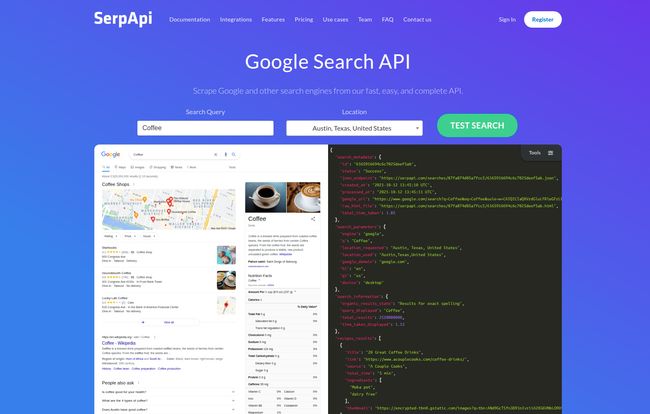
Think of SerpApi as a universal translator and a tireless personal assistant rolled into one. You tell it, in simple code, “Hey, go search for ‘best coffee shops in Austin’ on Google Maps from a mobile phone in Texas.” Instead of you having to figure out how to pretend to be that phone, navigate to Google, and then painstakingly copy-paste the results, SerpApi does it all. It then hands you back a perfectly clean, organized file (a JSON, for my fellow geeks) with all the data you wanted. The shop names, the ratings, the addresses, the featured snippets—everything. Neatly labeled and ready to go.
It’s a real-time API built to scrape not just Google, but a whole host of other search engines too. They handle all the messy stuff—the proxies, the CAPTCHA-solving, the parsing of complex, ever-changing HTML—so you can get straight to the good part: the data.
Visit SerpApi
The Features That Actually Make a Difference
Any tool can list a bunch of features on its homepage. But after years of this, I only care about the ones that solve real problems. Here’s what stood out to me.
Real-Time Structured Data is a Game Changer
This is the big one. Getting SERP data is one thing; getting it in a format you can actually use without hours of cleanup is another. SerpApi returns structured JSON data. For the non-devs reading, this means the information isn’t just a big wall of text and code. It’s organized. The ‘title’ is labeled, the ‘link’ is labeled, the ‘snippet’ is labeled. This is huge. It turns raw, messy HTML into a clean database entry. You get real-time results, so you’re not looking at stale data from last week, which is critical for tracking volatile keywords.
It Fights the Proxy and CAPTCHA Wars For You
I have what I’d call a ‘healthy disrespect’ for CAPTCHAs. They are the bane of any automated task. And getting your server’s IP address blocked by Google is a rite of passage for anyone trying to pull data at scale. SerpApi takes this entire war off your hands. They manage a massive pool of proxies and have systems in place to solve CAPTCHAs automatically. You don’t see it, you don’t have to think about it. It just works. That alone is worth its weight in gold, or at least in saved aspirin.
The “Legal US Shield” is More Than Just a Buzzword
Now this is interesting. The legality of web scraping has always been a bit of a gray area, making corporate legal teams very, very nervous. Remember the whole hiQ Labs v. LinkedIn saga? It set a precedent, but things are still murky. SerpApi offers something called a “Legal US Shield” on its paid plans. They basically assume the legal liability for the scraping and parsing activities. For a freelancer, it’s nice. For a major company or a marketing agency working with enterprise clients, this is a massive sigh of relief. It’s a professional safety net that you don’t get with a homegrown script.
Let’s Be Real: Who Is This For?
This isn’t a tool for a casual blogger wanting to check their rankings once a month. This is a professional-grade tool for people who need reliable, scalable SERP data. I’m talking about:
- SEO Agencies building custom dashboards and rank trackers for clients.
- Developers creating SEO software or integrating search features into their applications.
- Data Scientists and analysts studying market trends and search behavior.
- Large Brands monitoring their brand presence, product listings, and competitors across different search platforms like Google Shopping or Maps.
The social proof is pretty strong too. When you see names like ahrefs, Shopify, Meta, and ahrefs on their client list, you know they’re doing something right. These companies have the resources to build anything they want in-house; the fact they choose to pay SerpApi says a lot about the platform’s reliability and value.
Talking Money: The SerpApi Pricing Breakdown
Alright, the all-important question: what’s it going to cost? The pricing is straightforward, which I appreciate. No hidden fees or confusing credit systems. It’s a monthly subscription based on the number of searches you need.
| Plan | Price | Searches/Month | Key Feature |
|---|---|---|---|
| Free | $0 / month | 100 | Great for testing |
| Developer | $75 / month | 5,000 | No Legal Shield |
| Production | $150 / month | 15,000 | Includes Legal US Shield |
| Big Data | $275 / month | 30,000 | Includes Legal US Shield |
My take? The Free plan is a no-brainer for testing and small personal projects. The Developer plan is a solid entry point for freelancers or small teams. But the real value for businesses starts with teh Production plan. That’s where you get the Legal US Shield, and the search volume is more realistic for ongoing commercial projects. Is it the cheapest API on the market? No. But you’re not just paying for searches; you’re paying to outsource an entire department’s worth of headaches.
But It’s Not All Sunshine and Roses
No tool is perfect. In the spirit of honesty, here are the downsides.
First, the cost. For high-volume needs, the price can climb. If you need millions of searches a month, you’ll be looking at their enterprise plans, and that’s a significant investment. You have to do the math and see if it’s cheaper than hiring a full-time dev just to maintain your scrapers.
Second, it’s still an API. This means you need some technical skill to use it. You can’t just log into a pretty dashboard and click buttons. You or someone on your team needs to be comfortable writing code to integrate it into your systems. It’s built for developers and technically-savvy marketers.
Finally, you’re dependent on them. If Google rolls out a massive, unannounced change to the SERP structure, there might be a short period where the data is unreliable while the SerpApi team scrambles to update their parsers. The good news is, they’ll be scrambling, not you.
My Final Verdict on SerpApi
So, is SerpApi worth the investment? In my book, for the right person, absolutely.
If you’re a serious SEO, a data-driven agency, or a company building software that relies on search data, SerpApi is a beast. It’s a robust, reliable, and professional solution to a notoriously difficult problem. It saves you time, it saves you frustration, and with the Legal Shield, it could even save you a very awkward conversation with your lawyer. It turns the messy, chaotic web of the SERPs into a clean, predictable stream of data.
It’s not a magic bullet for everyone, and it’s not cheap. But it knows its audience, and it serves them exceptionally well. If you’ve ever wanted to just get the data you need without the fight, you owe it to yourself to at least play around with their free plan.
Frequently Asked Questions
- Is using SerpApi legal?
- Scraping publicly available data is generally considered legal, underscored by cases like hiQ v. LinkedIn. SerpApi goes a step further by offering a Legal US Shield on paid plans, where they assume liability for the scraping process, giving businesses extra protection.
- What search engines does SerpApi support?
- It’s not just Google! They support a wide range, including Google Search, Google Maps, Google Shopping, Google Images, Bing, Baidu, DuckDuckGo, Yahoo!, and more. This makes it really versatile for global and multi-platform data collection.
- How are searches counted in the pricing plans?
- One API call generally equals one search. Each time you request a SERP for a specific query, it counts against your monthly quota. This applies whether it’s a simple web search or a more complex request like a Google Maps result.
- Can I upgrade or downgrade my plan at any time?
- Yes, SerpApi’s plans are flexible. You can typically change your plan (upgrade, downgrade, or cancel) at any time through your account dashboard. The changes usually take effect at the start of your next billing cycle.
- Do I need to be a developer to use SerpApi?
- You need some technical ability, yes. It’s an API (Application Programming Interface), so it’s meant to be integrated into code. While they have libraries for popular languages like Python, Ruby, and Node.js to make it easier, you’ll need a developer or coding knowledge to implement it.


